
COURSE OVERVIEW
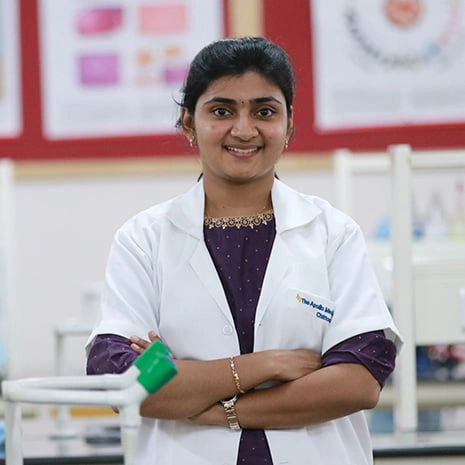
Physician Assistants (PAs) examine, diagnose, and treat patients under the supervision of a physician.
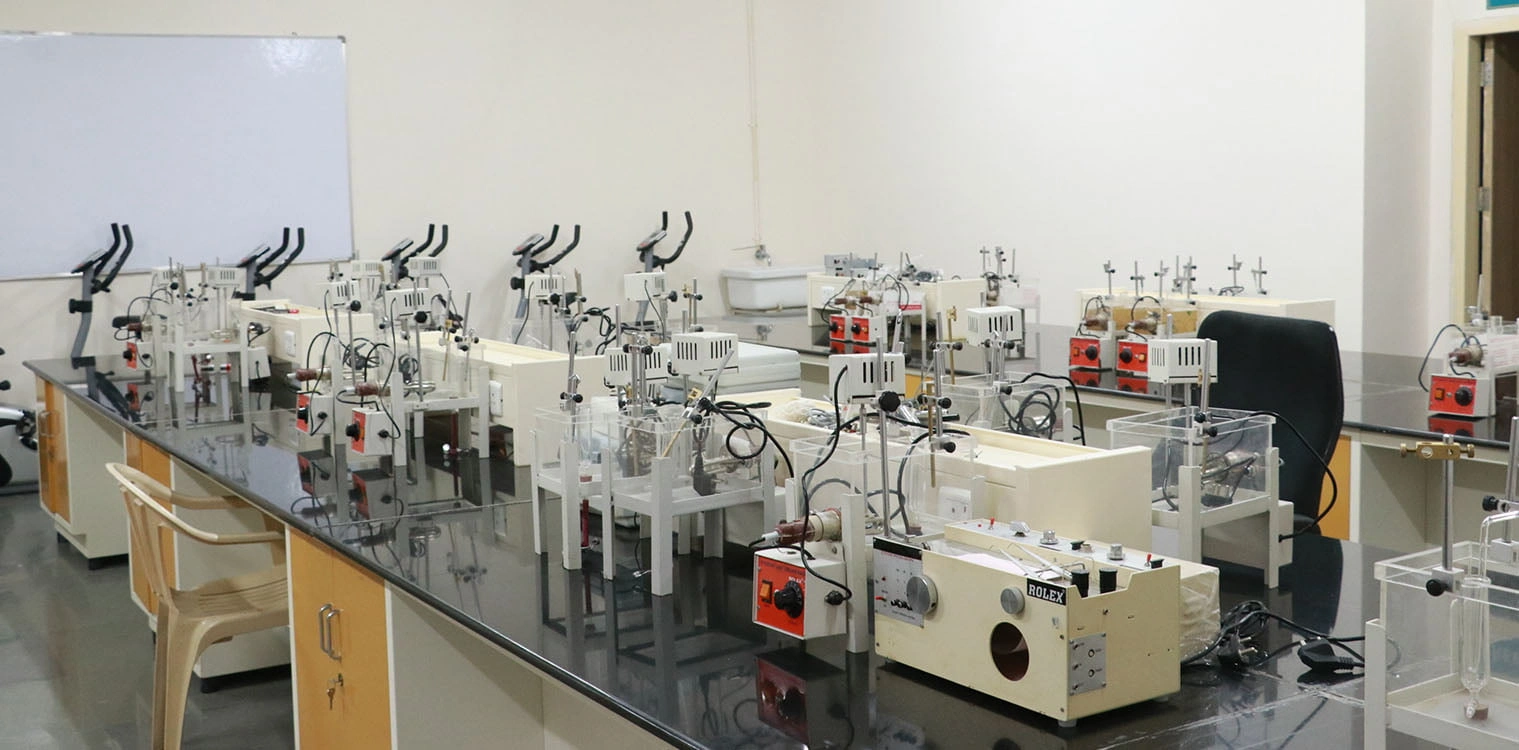
Physician assistant programme includes classroom and laboratory instruction in basic science subjects (Anatomy, Physiology, Biochemistry, Microbiology, Pathology and Pharmacology), and the core part of this programme includes supervised clinical training in several specialities, such as general medicine, emergency medicine, cardiology, surgery, and several other clinical departments.
A graduate who has successfully completed this programme can be employed in the aforementioned clinical settings.
Programme Objectives
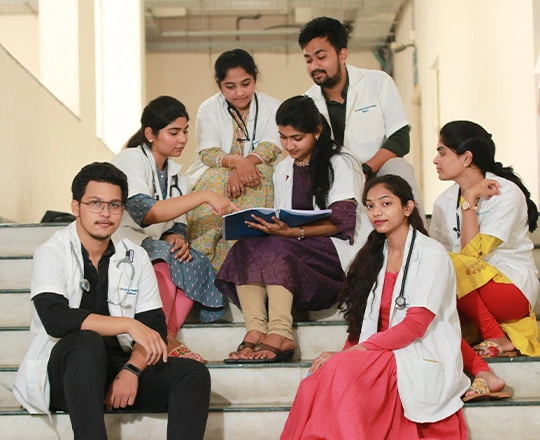
This programme will prepare physician assistant students/candidates capable of:
- Approaching a patient of any age group, in any setting, to elicit a detailed and accurate history, perform an appropriate physical examination, delineate problems, record, and present the data.
- Acquiring skills in recognising deviations from the normal, common laboratory, radiologic, cardiographic and other diagnostic procedures that are used to identify pathophysiological processes.
- Assisting the physician in assessing patients in the inpatient and outpatient clinics, developing, and implementing patient management plans, recording patient progress, assisting in the provision of continuing care and helping patients cope with illness and injury with education and counselling.
- Performing specific routine technical and surgical procedures, assisting with more complex procedures, and taking initiative in performing evaluation and therapy in response to life-threatening situations.
- Conveying an understanding of the multi-dimensional role of the physician assistant, demonstrating professionalism in service to the profession and the community.
PROGRAMME HIGHLIGHTS
Following are the key features of the Bachelor of Physician Associate / Bachelor of Physician Associate Studies programme at The Apollo University:
Programme Curriculum
- Semester 1 + -
Code Subjects Theory Practical Total 01 Professionalism 20 10 30 02 Anatomy-I 50 50 100 03 Physiology-I 50 60 110 04 Biochemistry and Molecular Biology-I 40 50 90 05 Introduction to Microbiology 40 50 90 06 Introduction to Healthcare Delivery System in India 30 30 60 07 Functional English and Soft Skills 20 40 60 08 Community Orientation-I 20 10 30 Total Hours 270 300 570 Total Credits 28
- Semester 2 + -
Code Subjects Theory Practical Total 09 Professionalism 10 10 20 10 Anatomy-II 50 70 120 11 Physiology-II 50 70 120 12 Biochemistry and Molecular Biology-II 50 30 80 13 Medical Microbiology 60 40 100 14 Introduction to Computers 30 50 80 15 Community Orientation-II / Clinical Skills 20 30 50 Total Hours 270 300 570 Total Credits 28
- Semester 3 + -
Code Subjects Theory Practical Total 16 Pathology 50 60 110 17 General Medicine-I 50 60 110 18 Pharmacology and Toxicology-I 50 30 80 19 ENT, Ophthalmology & Dermatology 50 80 130 20 Basic of Surgery 50 40 90 21 Community Orientation / Engagement 20 30 50 Total Hours 270 300 570 Total Credits 28
- Semester 4 + -
Code Subjects Theory Practical Total 22 General Medicine-II 50 60 110 23 Advanced Surgery 70 60 130 24 Pharmacology and Toxicology-II 40 40 70 25 Psychology & Introduction to Behavioral Medicine 40 50 80 26 Medical Communication 30 40 70 27 Community Medicine and Clinical Research-I 40 50 80 Total Hours 270 300 570 Total Credits 28
- Semester 5 + -
Code Subjects Theory Practical Total 28 Emergency Medicine 80 80 160 29 Paediatrics 70 80 140 30 Introduction to Healthcare Management 30 40 45 31 Medical Ethics and Law 40 40 35 32 Community Medicine and Clinical Research-II 50 60 50 Total Hours 270 300 570 Total Credits 28
- Semester 6 + -
Code Subjects Theory Practical Total 33 Non-Communicable Diseases 70 80 150 34 Geriatrics 60 70 150 35 Obstetrics and Gynaecology 70 80 150 36 Critical Care 30 30 60 37 Community Medicine and Clinical Research-III 40 40 60 Total Hours 270 300 570 Total Credits 28
- Semesters VII and VIII-Clinical Year/Internship + -
Students will be posted six months in general medicine with a focus in primary care and
six months in surgery – 3 months in general surgery and 3 months in any specialty medicine
of their choice (medical or surgical). The thesis worked over the preceding semesters will
be completed and submitted by the interns at the end of Semester VI and subjected to
scrutiny. Successful completion of the thesis to the satisfaction of the reviewers forms an
essential part of the PA programme. Five days a week will be devoted to clinical training
and one day would be dedicated to activities for academic advancements. The interns
should be provided adequate living expenses as stipend during the internship period.
PROGRAMME FEE AND SCHOLARSHIPS
| One-Time Fee | Admission Fee | ₹ 7,000 |
| 1st Year | Tuition Fee + Annual Recurring Fee | ₹ 1,30,000 + ₹ 13,000 |
| 2nd Year | Tuition Fee + Annual Recurring Fee | ₹ 1,30,000 + ₹ 13,000 |
| 3rd Year | Tuition Fee + Annual Recurring Fee | ₹ 1,30,000 + ₹ 13,000 |
| 4thYear | Tuition Fee + Annual Recurring Fee | ₹ 1,30,000 + ₹ 13,000 |
| Total Course Fee | ₹ 5,79,000 |
Scholarship is available for eligible students
Eligibility
Passed with at least 45% (40% in case the candidates belong to reserved category) marks with Botany, Zoology, Physics and Chemistry or Inter vocational with Bridge course of Biological and Physical Sciences (or) APOSS with Biological Sciences and Physical Sciences from a recognized board or other equivalent board or Intermediate and attain 17 Years as on 31st December of Calendar Year.
EMPLOYABILITY AREAS
PAs have opportunities in a wide variety of specialties. These range from Primary Care to Surgery. See the list below:
- Primary care
- General Medicine
- Cardiology and cardiac surgery
- Surgery
- Orthopedics
- Oncology
- Trauma care
- Obstetrics and gynecology
- Emergency medicine and critical Care Medicine
FAQs
-
Is Bachelor of Physician Associate / Bachelor of Physician Associate Studies a good course?
+ -Absolutely, Bachelor of Physician Associate / Bachelor of Physician Associate Studies is an excellent career choice which offers strong job prospects, a good salary and a chance to make a positive impact.
-
Who is eligible for Bachelor of Physician Associate / Bachelor of Physician Associate Studies course?
+ -Students who have passed their 10+2 (or equivalent) with at least 45% in subjects such as Botany, Zoology, Physics, and Chemistry from a recognised board are eligible for Bachelor of Physician Associate / Bachelor of Physician Associate Studies course.
-
B.Sc. Nursing or Bachelor of Physician Associate / Bachelor of Physician Associate Studies : Which is better?
+ -Both B.Sc. Nursing and Bachelor of Physician Associate / Bachelor of Physician Associate Studies are valuable healthcare degrees but can lead to different career pathways. The choice completely depends on your interests and preferences.
-
What is the salary of a Bachelor of Physician Associate / Bachelor of Physician Associate Studies?
+ -Students can expect a salary range between ₹2,00,000 to ₹13,00,000 per year in India after completing Bachelor of Physician Associate / Bachelor of Physician Associate Studies.
-
Which course is best after Bachelor of Physician Associate / Bachelor of Physician Associate Studies?
+ -After completion of Bachelor of Physician Associate / Bachelor of Physician Associate Studies, you can explore various postgraduate options, including M.Sc. Physician Assistant or further specialisation in clinical settings.
-
Is Physician Assistant a good career?
+ -Yes, Physician Assistant is considered an excellent choice with good career prospects and career satisfaction.
-
What is the scope of Bachelor of Physician Associate / Bachelor of Physician Associate Studies?
+ -Bachelor of Physician Associate / Bachelor of Physician Associate Studies provides a wide range of career pathways within the healthcare industry, both in India and internationally.
-
What is the duration of the Bachelor of Physician Associate / Bachelor of Physician Associate Studies programme?
+ -The duration of the Bachelor of Physician Associate / Bachelor of Physician Associate Studies programme is 4 years.